Miles Robinson
Presumed InnocentMiles Robinson, a distinguished psychiatrist who treated Rusty Sabich, becomes a pivotal witness when the prosecution asks whether Rusty confessed to killing Carolyn Polhemus. Robinson denies that he did, and the court prevents further questions about their communications, placing a firm boundary around what the prosecution can learn from the doctor-patient relationship.
Identity and Professional Standing
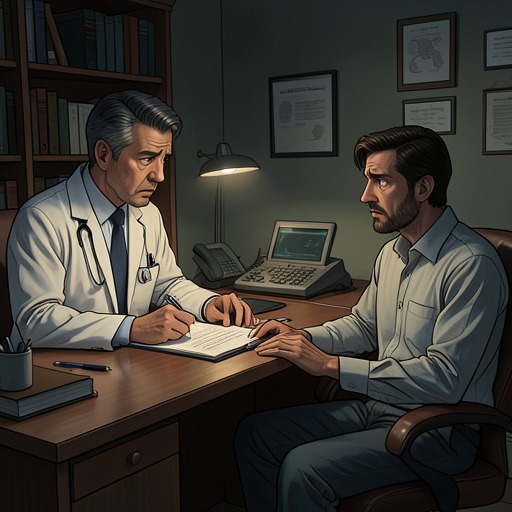
Robinson is in his mid-sixties, trim, with closely cropped white hair. The narration presents him as soft-spoken and exceptionally dignified, and identifies him as Black with a fair complexion. His professional standing is substantial: he is a full professor at the medical school and co-chair of its Psychiatry Department. He is also described as the nation’s leading expert on memory loss.
The narrator had met Robinson briefly years earlier, when Robinson testified in an insanity case. Later, when the narrator faced personal difficulties, Robinson seemed to him the most suitable psychiatrist to consult. That history helps explain why the doctor’s name carries particular weight when he appears in court, though the testimony itself establishes only the number and existence of his consultations with Rusty.
Treatment of Rusty and Courtroom Testimony
On the stand, Robinson confirms that Rusty had been his patient. Asked how often he saw him, he says that he checked his records the previous night and had seen him five times. The specific count gives the relationship a documented scope without disclosing the substance of the sessions.
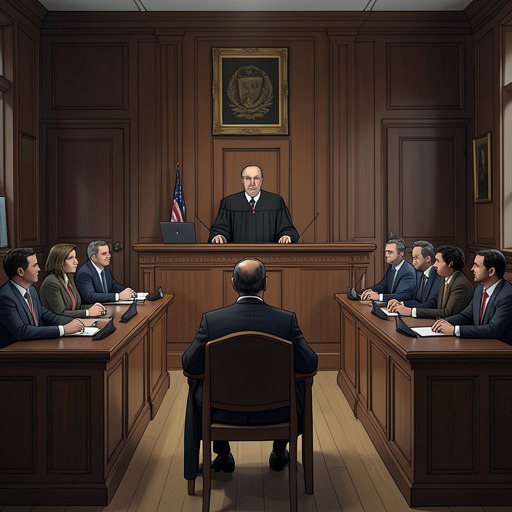
Tommy Molto asks whether Rusty ever told Robinson that he had killed Carolyn. Robinson answers that Rusty never told him anything of the kind. The courtroom responds with an unusual air of release: the jurors nod, and a schoolteacher in the gallery smiles at the narrator. The reaction marks the answer as immediately consequential, but it does not establish what Rusty may have said in other contexts or what happened in the private consultations.
Limits on the Prosecution and Narrative Significance
Molto presses on, asking whether Robinson had ever spoken with Rusty in any way about Carolyn’s murder. The defense objects to that question and to further questions concerning communications between Rusty and the doctor. The judge sustains the objection and prohibits further inquiry, then excuses Robinson. The ruling ends the examination before the prosecution can explore the content of the treatment relationship.
Robinson’s role is therefore defined as much by the limits of his testimony as by its central denial. He supplies a clear answer to the question of confession, but the court’s restriction leaves the conversations themselves undisclosed. When Molto protests, Nico Delia Guardia leads him away from the podium; Nico’s composed resolve contrasts with Molto’s outrage. Robinson’s brief appearance thus exposes the tension between the prosecution’s desire to pursue its case and the boundary protecting a patient’s communications.